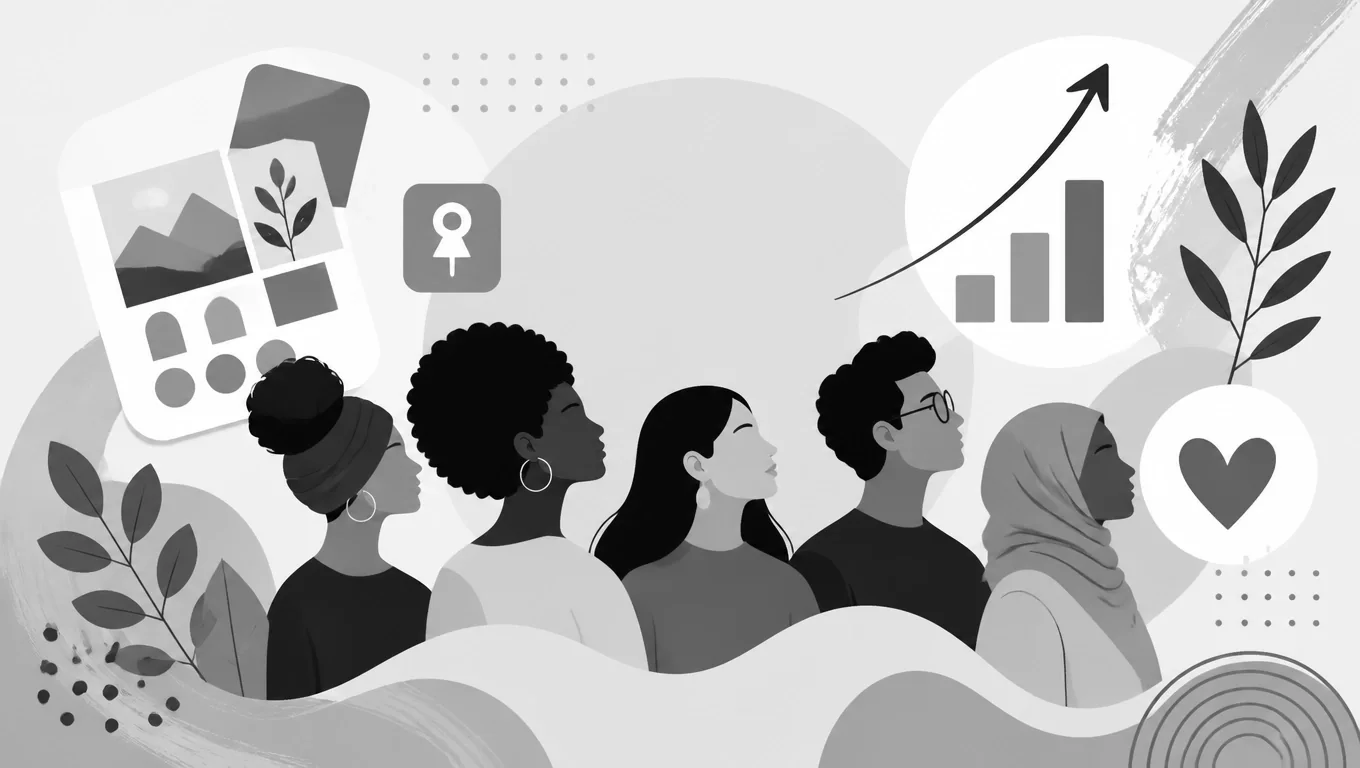
Pinterest’s mission is to bring everyone the inspiration to create a life they love[1][2]. For this mission to succeed, the platform must be a space where everyone feels seen, heard, and represented. Pinterest has specifically committed to amplifying underrepresented creators and businesses, including people of color, people with disabilities, and members of the LGBTQ+ community[3].
If you are a creator or business owner from an underrepresented group, Pinterest offers a range of tools and programs designed to help you build a meaningful presence and drive results.
Dedicated Support Programs
To foster a more diverse and inclusive ecosystem, Pinterest has launched several initiatives aimed at the growth of underrepresented voices:
- The Pinterest Creator Fund: This program is specifically focused on the success of underrepresented creators[3]. Participants engage in a five-week program to learn about creating inspiring content, gain industry insights, and receive a $25,000 grant (composed of cash, ad credits, and equipment stipends)[3][4].
- Community Rebuild Program: Designed for business owners from underrepresented groups, this program offers tailored training and ad credits[5]. Participants attend virtual workshops on branding and creative strategy and are assigned a personal coach to help reach specific business goals[6].
- Creator Rewards: This program allows creators to earn money directly from Pinterest by creating original Idea Pins based on specific prompts and meeting engagement goals, such as a target number of saves or reactions[7].
Tools for Visibility and Trust
Pinterest has designed inclusion into its products to ensure that its visual search engine reflects the diversity of its global audience[8].
- Merchant Details: Verified merchants can showcase their values directly on their profile[9]. You can highlight communities you belong to, such as “Black-owned,” “Woman-owned,” “LGBTQ+ owned,” or “Disability-owned,” helping Pinners find and support trusted brands that align with their values[9][10].
- Inclusive Search Features: Pinterest has pioneered features like hair pattern search and expanded skin tone range filters[11][12]. These tools ensure that beauty results are inclusive and relevant to all users, regardless of their background[11][13].
- The Verified Merchant Program: This program helps shoppers find vetted, trustworthy brands[10]. Verified merchants receive a special badge and enhanced distribution across the platform[10].
Creating Inclusive and Engaging Content
Successful content on Pinterest is about inspiration, positivity, and action[14][15]. For creators looking to empower themselves and their communities, following inclusive best practices is essential:
- Diversify Your Visuals: Choose images and videos that represent different cultures, lifestyles, and physical appearances so that a broad audience can see themselves in your content, as discussed in how Pinterest is changing the game for Pinners[16].
- Use Inclusive Language: Thoughtful word choice ensures your audience feels respected[17]. This includes using gender-neutral terms where appropriate and adding captions or alt-text to help those using screen readers experience your content fully[17].
- Focus on “Saves” Over “Likes”: Unlike other social platforms, Pinterest prioritizes meaningful engagement[18]. A “save” is the strongest signal that your idea is valuable and worth trying later[18][19].
- Leverage Idea Pins: Use this multi-page format to tell your personal story or share a detailed tutorial[20][21]. You can also use the “takes” feature, which allows your audience to share their own spin on your idea, fostering a two-way conversation[22][23].
Monetization and Partnerships
Pinterest provides multiple avenues for creators to turn their passion into a business:
- Paid Partnerships Tool: This tool allows for transparency when collaborating with brands[24][25]. Creators can make an Idea Pin and tag a brand partner, who can then promote that Pin as an Idea Ad to reach a broader audience[25][26].
- Shoppable Content: You can make your Pins actionable by using product tagging and affiliate links[22][27]. This makes it easy for your followers to “shop the look” directly from your inspirational content[24][28].
Pinterest is a platform built for the future[29][30]. By utilizing these resources, underrepresented creators can build a sustainable, high-intent audience that values authenticity and expertise[2].


References
- 6 Tips for Making Your First Idea Pin | Pinterest Business [20]
- 8 Pinterest Content Repurposing Strategies for 2025 [21]
- A Beginner’s Guide To Pinterest Content | Pinterest For Creators [14, 18]
- A Focus On Responsible Media | Pinterest Business [1, 15]
- A Marketer’s Guide to Inclusive Content | Pinterest Business [8, 16, 17]
- Dear Creators: There’s A New Way For You To Create | Pinterest Business [2, 22]
- How To Build Your Audience On Pinterest In 2025 | Pinterest Business [19, 23]
- How to Make Money on Pinterest [7 Strategies] [3, 4, 7, 24, 25, 27, 28]
- Master Your Pinterest Marketing Strategy for Growth [29]
- New Pinterest Shopping Features | October 2021 | Pinterest Business [9, 10, 26]
- News | Pinterest Newsroom Archive [11, 12, 13]
- Pinterest Community Rebuild Program | Pinterest Business [5, 6]
- Pinterest Presents: Announcements From Our Advertiser Summit | Pinterest Business [30]