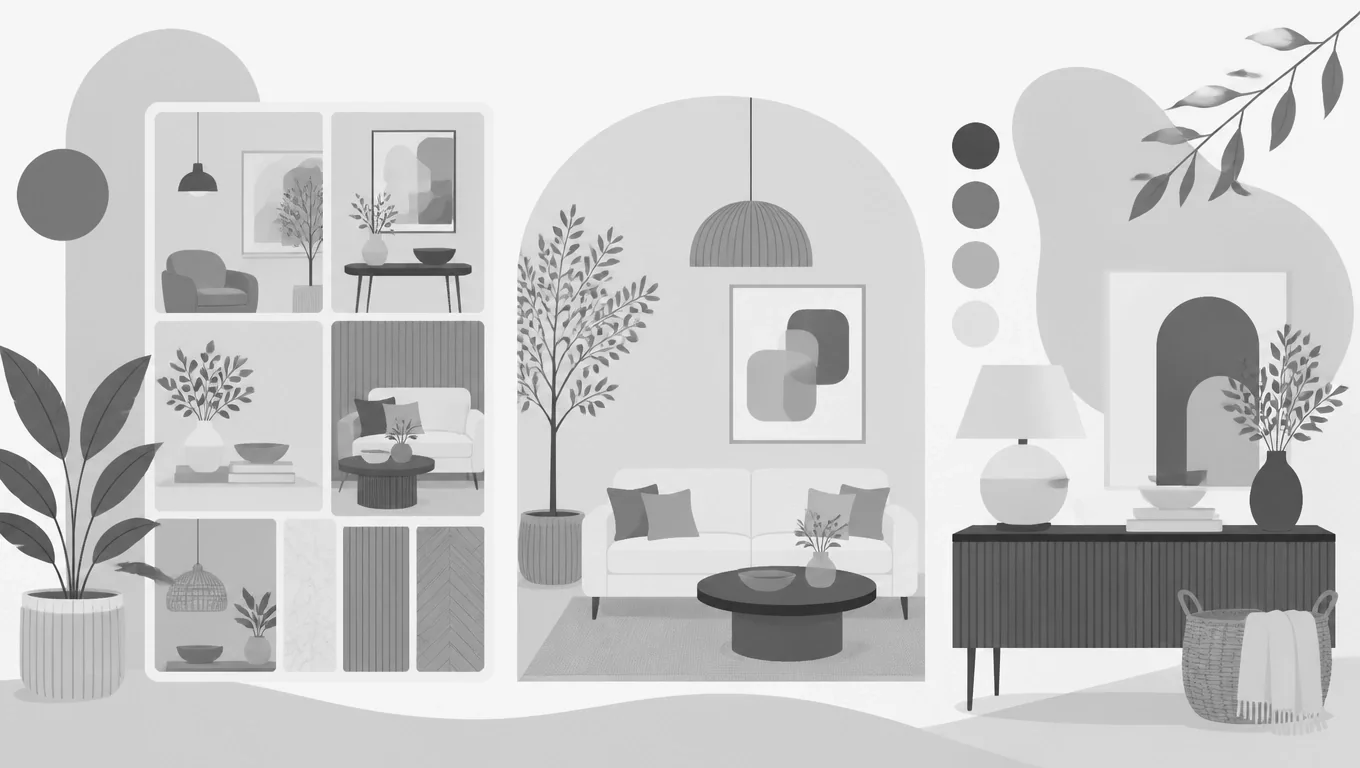
The Pinterest Effect: Shaping the Future of Home Décor in 2026
In the world of interior design, catching a trend as it happens is often too late. By the time a “vibe” becomes mainstream, the early adopters have already moved on. This is where Pinterest distinguishes itself: it isn’t a place for passive scrolling, but a visual search engine built for active planning[1]. As we look toward 2026, Pinterest has become the definitive “crystal ball” for the home décor industry, moving beyond mere inspiration to directly dictating the market’s next big moves[2][3].
The Science of the “Not-Yet-Trending”
Pinterest’s impact on 2026 home décor is rooted in its massive data set of early signals. Because users arrive on the platform to plan for “life moments”—such as moving, renovations, and new home purchases—Pinterest sees what people want months before they ever step into a furniture store[4].
The platform’s predictive power is formidable, with an 88% accuracy rate over the past six years[5][6]. For 2026, Pinterest has already identified key emerging aesthetics that are set to dominate our living spaces:
- Glamoratti: A shift toward bold, luxe looks that emphasize high-end finishes and theatrical flair[7].
- Mystic Outlands: An enchanting aesthetic that draws inspiration from ethereal getaways and otherworldly landscapes, likely influencing textiles and wall coverings[7].
- Gimme Gummy: A trend characterized by a “bouncy bite” and playful, tactile shapes in furniture and accessories[7].
Designing for Decisions: The Planning Window
For the décor industry in 2026, “on time” is officially late[8]. Pinterest’s data shows that consumers begin their planning journey for seasonal shifts and major projects months before the actual season arrives[4]. For instance, home décor searches for the holidays often spike as early as September or October[9].
This means that Pinterest doesn’t just reflect 2026 trends; it manufactures their success by becoming part of the consumer’s plan from the very first search[4][10]. Brands that show up during this early “intent window”—often two months before a trend peaks—can influence a buyer’s entire vision, from the color of the paint to the style of the sofa[10][11].
The Longevity Factor: Beyond the Viral Moment
Unlike other social platforms where content disappears in hours, a Pin is an evergreen asset[12][13]. Over 60% of Saves on Pinterest are from Pins that are more than a year old[12]. This longevity is particularly impactful for home décor, a category where people may plan a renovation for a year or more[14][15].
A Pin showing a “small kitchen organization” system or a “budget-friendly DIY project” created in 2025 will likely reach its peak engagement in 2026 or even 2027[16][17]. This creates a compounding return on inspiration, where 2026 homes are being built on a foundation of ideas saved and nurtured over many months[15].
The New Search: Visual and Values-Based
In 2026, the way we find home décor has shifted from text-based queries to visual discovery[18][19]. Pinterest’s AI-powered visual search tools allow a user to find a specific item within an image—turning a casual spark of inspiration into a shoppable reality[11]. A user might start a search for a “green sofa” and, through visual refinement, find the exact “Parisian-chic ruffled velvet loveseat” that fits their unique taste[11].
Furthermore, 2026 marks the peak of the “Greenaissance,” a renewed global focus on sustainable living[20]. Pinners are 40% more likely than non-users to say the environment is a personal interest[21]. This is driving a massive surge in searches for:
- Eco-friendly home tips and green hobbies[22].
- Plant-first architecture and healthy “plant walls”[23].
- Sustainable materials and energy-efficient home solutions[24].
Conclusion
As we navigate 2026, Pinterest’s role in home décor is no longer just about “pretty pictures.” It is the engine of intent[25]. By capturing the dreams of 600 million monthly users and turning them into actionable plans, Pinterest is ensuring that the homes of 2026 are more personal, more sustainable, and more intentionally designed than ever before[1].